

The science of how gratitude, apologies, forgiveness, and appreciation can change your brain
December. Here we are, winging our way toward the end of the year, with our inboxes overflowing, our hair mussed up (not in a cute way), and our brains wondering if it’s Tuesday or September. If you feel a little dazed by the speed of everything… well, you’re in excellent company.
This year may have been wonderful for you. Or hard. Or mixed. (Spoiler: almost everyone falls into the “mixed” category.) And because we humans love symbolic fresh starts, this final stretch of the calendar gives us a chance to pause, take a breath, and do a quick emotional systems check: What’s working? What’s not? What do I want to carry with me? What do I want to leave behind, now and forever?

Instead of making this a sticky-sweet, inspirational-meme kind of reflection (there are already plenty of those; plus, I’m not a fan), I want to talk about something more interesting: repair, and the science behind it.
Gratitude. Apologies. Forgiveness. Appreciation. Not the grand, performative versions – the small, real ones. The ones that change your brain and your relationships in ways we can actually measure.
Let’s examine these one by one, using my favorite lens: science.
1. Gratitude: Not just a platitude, but a neural power tool
Gratitude gets a bad rap because it’s often presented like a moral commandment: “Just be grateful!” As if we’re all one inspirational, greeting-card quote away from enlightenment. I don’t know about you, but I’m not spiritually transformed by clichéd coffee mug sayings.
However, real gratitude – thoughtful, grounded, specific – is measurably powerful.
What the research says
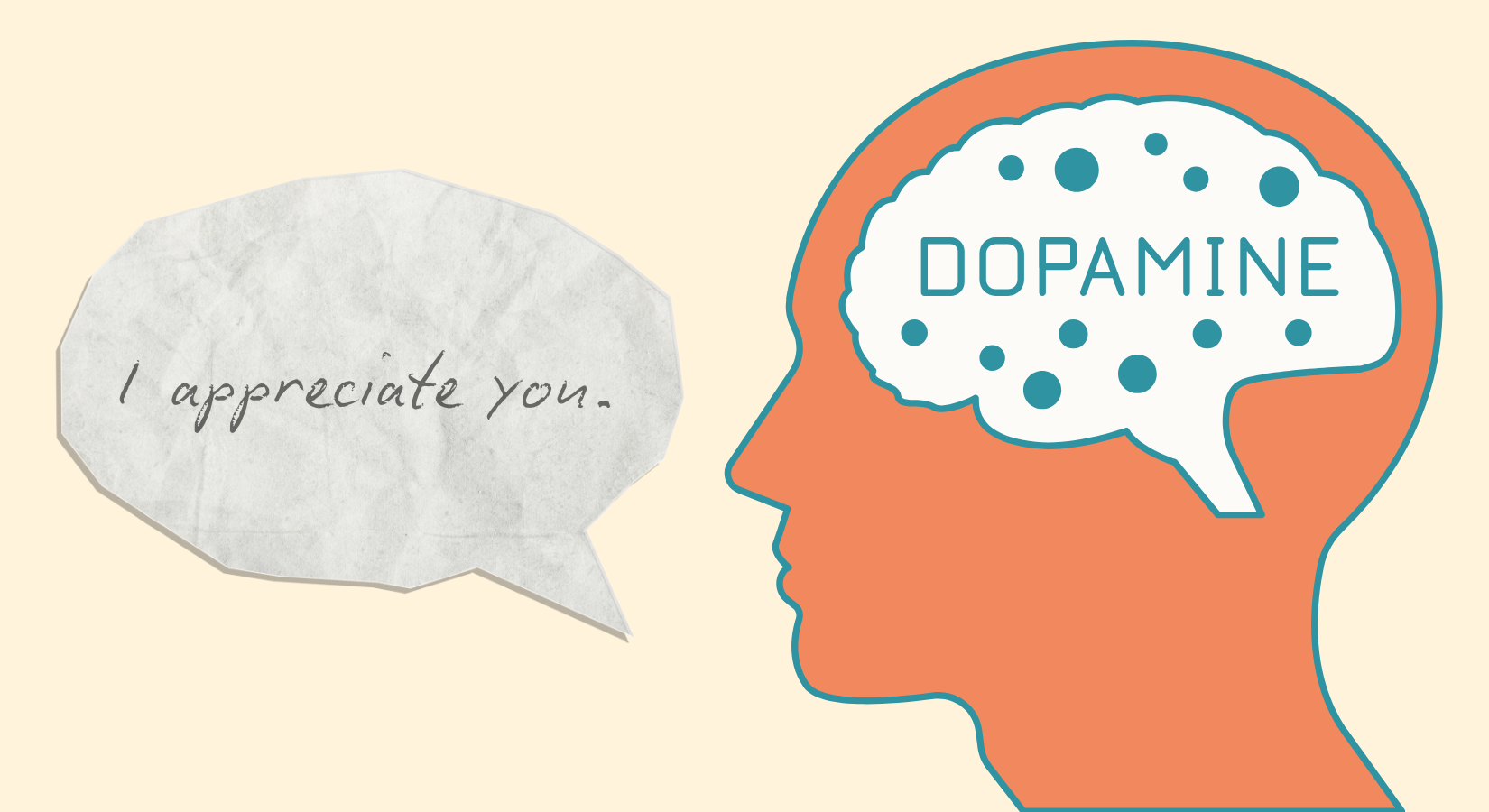
- UCLA neuroscience studies show that gratitude activates the brain regions associated with dopamine and serotonin, two neurotransmitters that help regulate mood.
- A 2021 study in Frontiers in Psychology found that even brief gratitude practices improve sleep, resilience, and emotional regulation.
- Gratitude also decreases activity in the amygdala, the brain’s alarm system, lowering stress responses.
And this is my favorite part: when you express gratitude to another person – even in a simple text – their brain benefits, too. Functional MRI studies show increased activation in the reward centers of the recipient’s brain! How cool is that?
In other words: gratitude is contagious in the best possible way.
A gentle invitation
Think of three people who made your life a little easier, a little happier, a little more hopeful this year. You don’t need to craft poetry – just a “Hey, I appreciate you” is enough to light up two human nervous systems. Yours and theirs. Efficient and kind. A great combination.
2. Apologies: Hard on the ego, healing for the brain
Here’s the truth: apologizing feels uncomfortable for exactly the reason it works – it requires vulnerability. But it doesn’t have to be the dramatic, soul-baring kind. The simpler variety works equally well: “I messed up. I’m sorry.”
What the research says
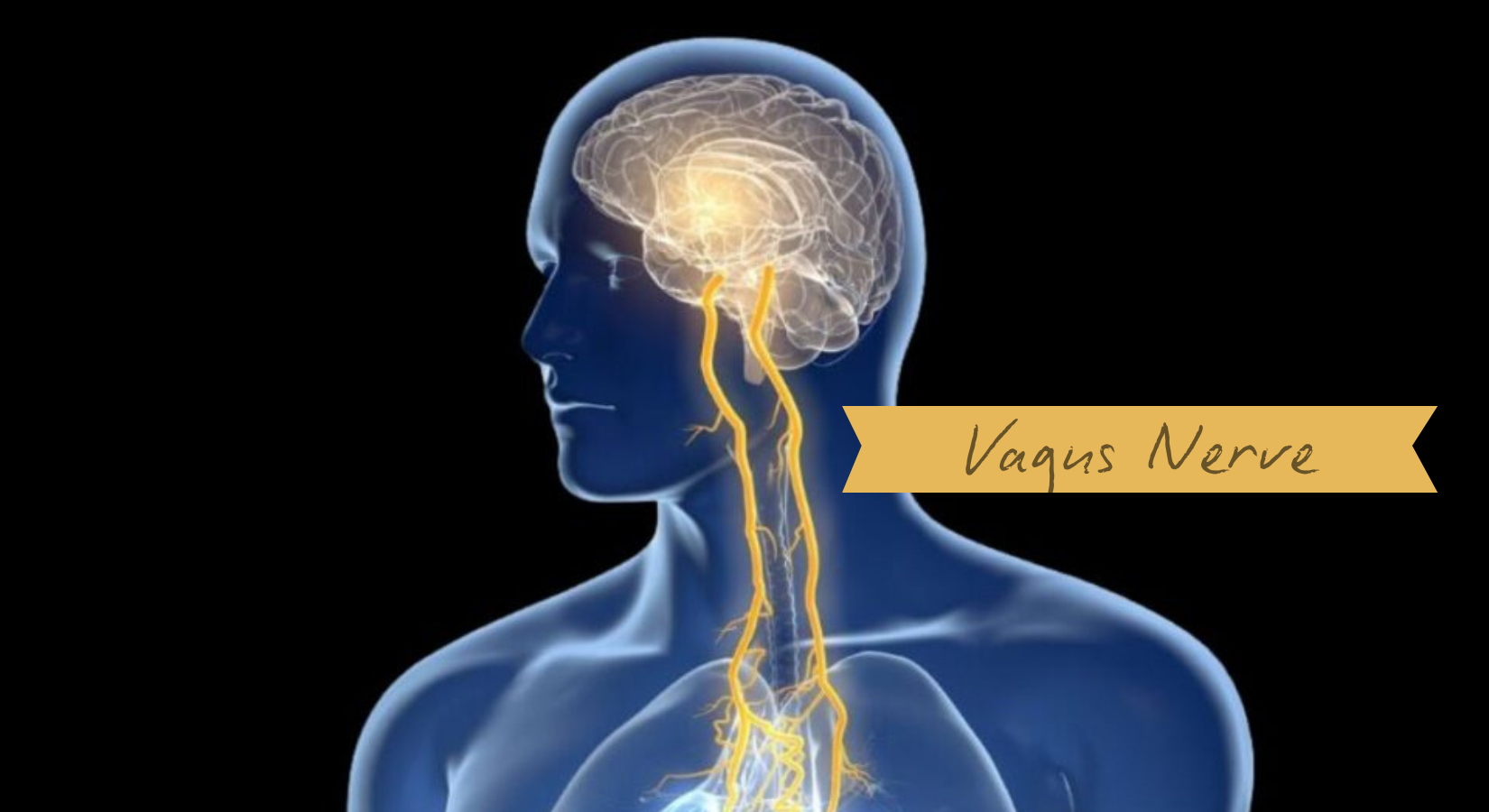
- Apologizing increases parasympathetic nervous system activation, which shifts the body into a calmer state. (Hello, vagus nerve…remember my article from earlier this year?)
- When we apologize, our brains show increased activation in regions associated with empathy and moral reasoning.
- A 2020 study published in Social Cognitive and Affective Neuroscience found that sincere apologies also reduce the recipient’s cortisol (aka, stress hormone) levels.
If gratitude brightens your inner world, apology stabilizes it.
A gentle invitation
Think of one person you bumped, bruised, or accidentally steamrolled this year. Something small counts. You’re not confessing your sins – you’re repairing a connection. Just say you’re sorry. Science confirms this repair benefits both of you more than you might think.
3. Forgiveness: The quiet power of letting go
Now, to be clear: forgiveness is not forgetting, excusing, or even reconciling. It’s simply unloading the emotional burden you’ve been hauling around all year, so you can reclaim your energy for better things. (And trust me: there are definitely better things.)

What the research says
- A 2023 meta-analysis in Clinical Psychology Review found that forgiveness interventions reliably reduce anxiety, depression, and rumination.
- Forgiveness reduces sympathetic nervous system activation, which lowers blood pressure and heart rate.
- Long-term studies suggest that people who practice forgiveness show better immune function and sleep quality.
Forgiveness isn’t for the person who hurt you – it’s for you: a release valve for your own nervous system and mental well-being.
A gentle invitation
Is there someone whose name, when it pops up in your brain, causes a full-body shudder? (Confession: I have a few of those people in my life.) You don’t need to reconnect. You don’t need to forget. Just gently set down the weight. Your brain and body will thank you.
4. Appreciation, the magic of simply noticing
Not quite gratitude. Not quite praise. Appreciation is something quieter and often overlooked: it’s the simple act of noticing effort. It’s seeing what someone is carrying, contributing, or trying to do, and letting them know it landed. Appreciation doesn’t demand perfection; it simply acknowledges presence. And in a world where most people feel invisible more often than supported, that small moment of being seen can be surprisingly powerful.

What the research says
Studies in organizational and social psychology consistently show that appreciation strengthens human connection and improves well-being. People who feel recognized are more likely to experience:
- higher cooperation
- greater workplace engagement
- improved relationship satisfaction
- increased prosocial behavior (aka, being decent humans)
Research also suggests that feeling valued activates the brain’s reward systems, reinforcing trust and strengthening relational bonds. In short: when people feel seen, their nervous systems settle. And when nervous systems settle, relationships improve.
A gentle invitation
Pick one person this week and tell them something you genuinely appreciate – not a huge performance, just an observation. “I see what you’ve been doing and I appreciate you.” “I notice the effort you make.” “Thank you for your help.”
No speeches required. Just presence.
You’ll feel the shift almost immediately – and so will they.
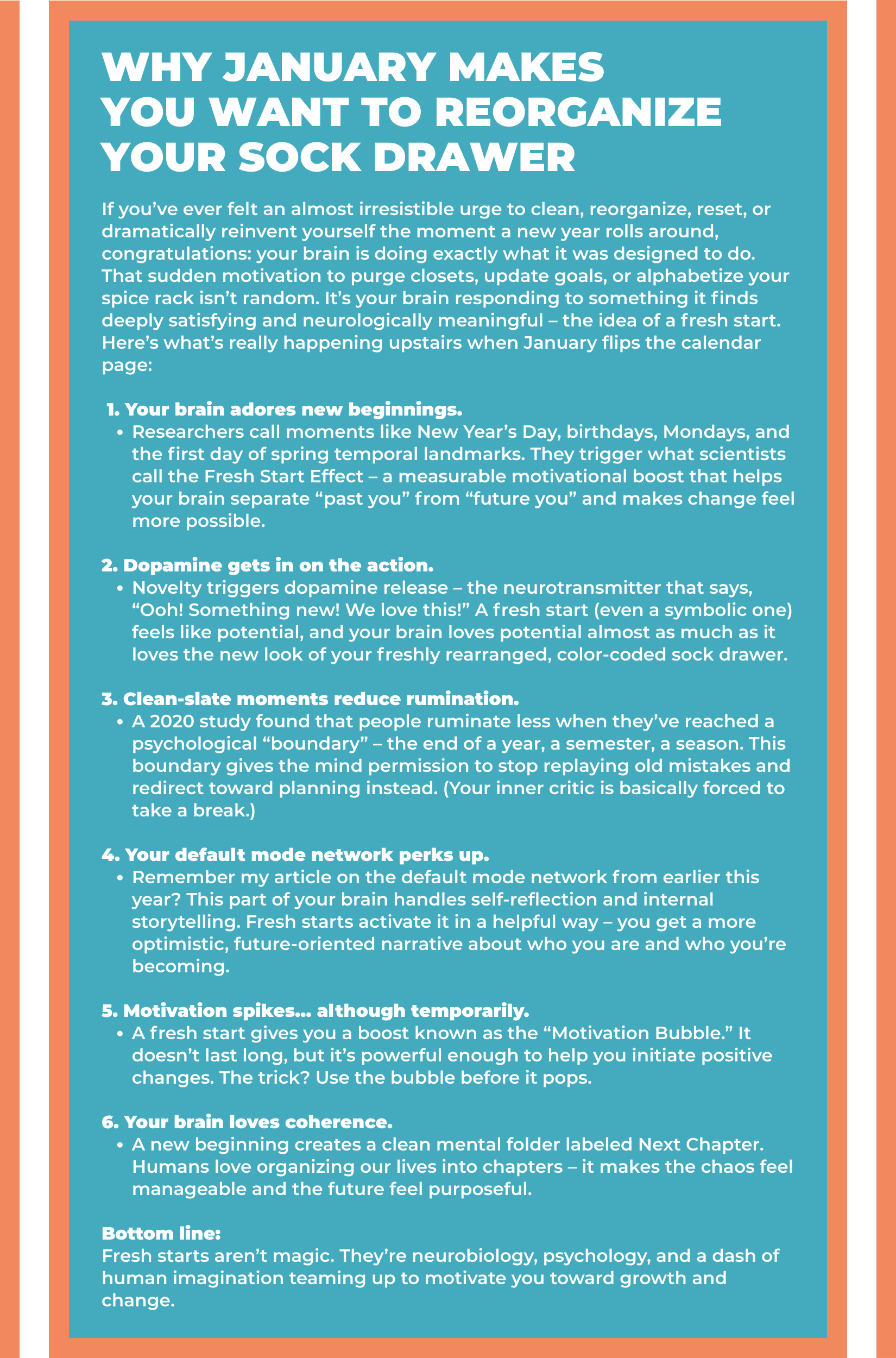
Here’s to our braver, kinder New Year
A few small acts of repair – one thank you, one apology, one act of forgiveness, one moment of appreciation – can actually move the needle on your mental and emotional well-being far more than grand resolutions you’ll forget by mid-January.
Tiny repairs matter. They ease the year behind us and open the door to the one ahead.

As we wrap up this year:
- Be proud of the miles you traveled, even if you crawled some of them.
- Thank the people who helped you along the journey.
- Apologize where you need to – and enjoy the peace that follows.
- Forgive those who harmed you, and then move forward.
- Approach the New Year with open enthusiasm – and always with kindness toward everyone.
Thanks for subscribing to my articles this past year. It’s a joy knowing you’re out there reading along with me. As usual, please send me your comments and suggestions, and I look forward to greeting the New Year together. I appreciate you.
Really I appreciate your publish.I will share to my friends who refused to forgive each other for the past two years.